EN

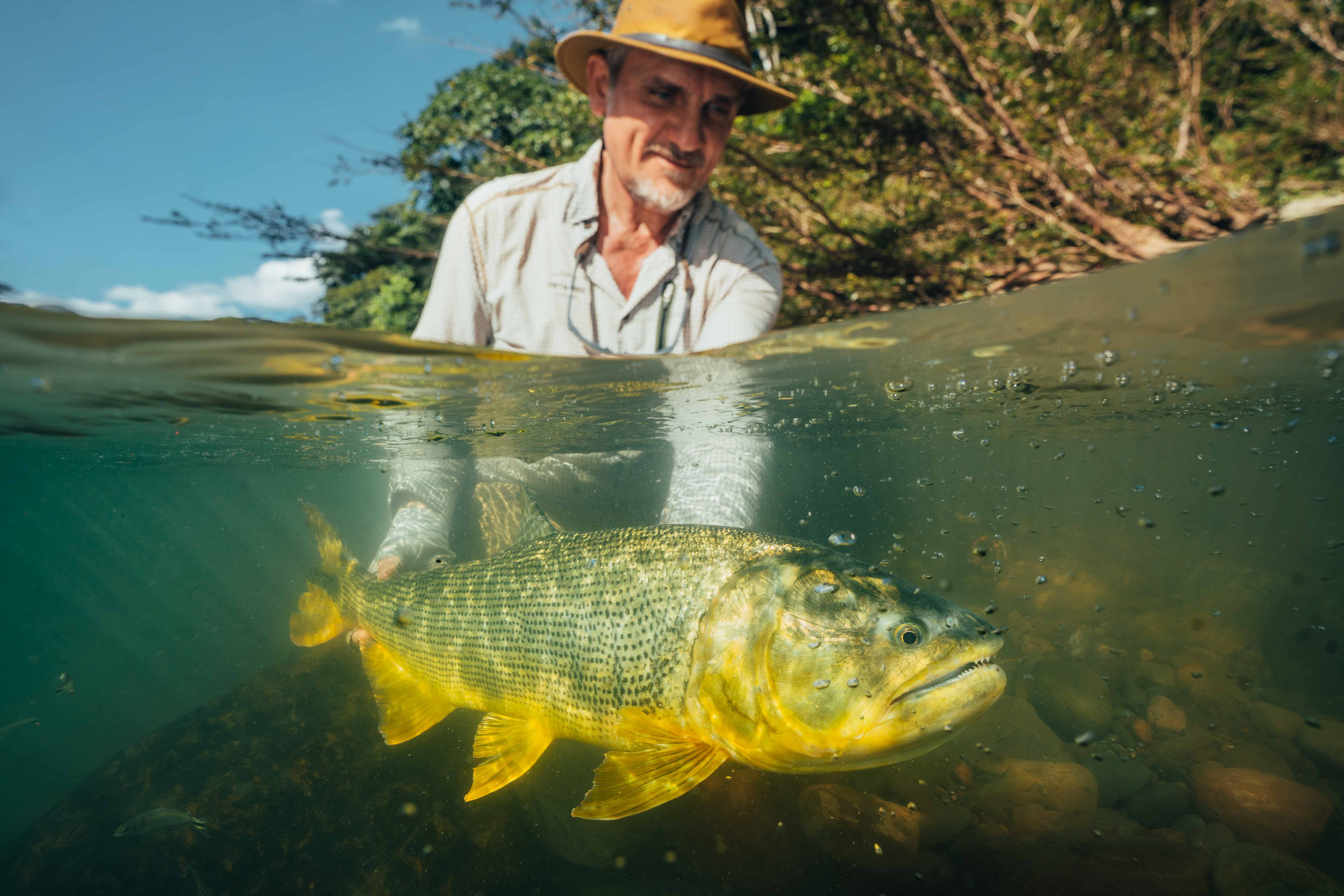
THE PLUMA RIVER
Is a crystal clear freestone river, with an incredibly rich and beautiful topography. It runs from south to north, parallel to the Mosetenes Mountain Range, and is therefore slightly broader and more open than some of the other rivers we fish at Tsimane. The Pluma is easier to wade due to its wide banks, mostly composed of round smooth gravel and rock. Further upstream, it does get steeper and more rugged. This river is home to all four of the main species we target at Tsimane: dorado, pacu, yatorana, and surubí.
PLUMA RIVER – HIGHER SECTOR
This sector is upstream from the confluence of the Pluma and Itirisama Rivers. It is reminiscent of many familiar trout freestone rivers, as it is full of boulders, shallow runs and riffles, and well-defined deep pools, all characterized by gin-clear water. In this sector, the fishing is done almost entirely on foot, walking, and wading upstream. A Chiman canoe is used to carry additional gear and coolers and is very useful to row/pole back down to the lodge at the end of the day.This section is home to a large number of resident dorado, holding in most of the pools and pocket water.
PLUMA RIVER – LOWER SECTOR
TThis section of river extends from the confluence with the Itirisama River to its mouth in the Sécure River. The structure of this sector is similar to the upper sector, but the water volume is 50 or 60% higher making for wider, deeper pools in general, and more powerful runs. With more water to work in, the fish have more room to fight, and aerial acrobatics are commonplace events whenever a large dorado is hooked. The jungle is less dense, and the shorelines can at times be marshy.The Lower Pluma sector features a wide variety of water types. There are steep drop offs, long runs, sand-covered flats, islands with braided channels, and deep pools. Dorado is the undisputed king in this section; however, very large pacu can be caught fishing the deep pools, which are natural food traps. These fish are often seen slurping nuts and fruit from the river’s surface.There are basically four types of fishing strategies when hunting dorado:
1. Prospect for fish in runs (sight or blind casting)
2. Precise casts to ambush points such as logs or submerged trees
3. Sight cast into feeding frenzies when dorado hunts the sabalo.
4. Sight cast in pocket water behind rocks or in shallow pools, runs and flats.
The biggest pools, which are near the confluence with the Sécure River, have low sandy areas where one can sight cast to cruising and feeding dorado, similar to bonefishing on the shallow saltwater flats.
THE ITIRISAMA RIVER
The Itirisama is considered by many anglers "the jewel in the crown” of the Tsimane waters. It is similar in size and volume to the high sector of the Pluma River, but it has a steeper gradient and more rugged terrain, giving it a very different look and feel. The Itirisama runs from west to east through rugged canyons, making it a typical mountain stream with many runs, rapids, waterfalls and large boulders. Cascading boulder gardens give way to deep pools flanked by exposed canyon walls. This is the most physically intense section of the river to hike, wade, and fish, but the rewards of incredibly scenic beauty – and some of the largest Dorado – make it worth the extra effort.
The water is the coldest and the clearest in all of Tsimane, so the fishing is more technical and often, more rewarding. Anglers are less likely on the Itirisama to catch large numbers of dorado, but they are very likely to catch the best dorado of the week. This sector has the lowest population and highest average size of residents in Dorado. Some of them are huge but tricking them in the small clear water is difficult. In some of the far upstream pools, we also find large numbers of big pacu, which can be caught using fruit imitations, streamers and big dry flies.
SÉCURE RIVER – LOWER SECTOR
This is the sector that goes from the confluence with the Pluma River to the Oromomo Village. Here the Sécure River is much broader and similar in nature to a valley or plains river. Its bottom is lined with fine sediment and there are a lot of sunken logs along its sandy banks.Partway downstream from the mouth of the Pluma, we find the Delta region. This is a sector where the river has very little gradient, and is widened so as to form several branches and islands. This is ideal for enjoying a shore lunch and wade the easy, flat and expansive sandbars and shallow flats. When the sabalos are here in numbers, this delta turns into a Roman Colosseum where savage dorados are always hunting their prey. There is much competition, so the fish are extremely aggressive to the extent that cannibalism is a very common scene. Here it is very common to use surface flies such as Poppers, Pole Dancers or Titanic Sliders.
Below the Delta region is the last beat called Coruya, that usually holds a large number of dorado migrate through here.
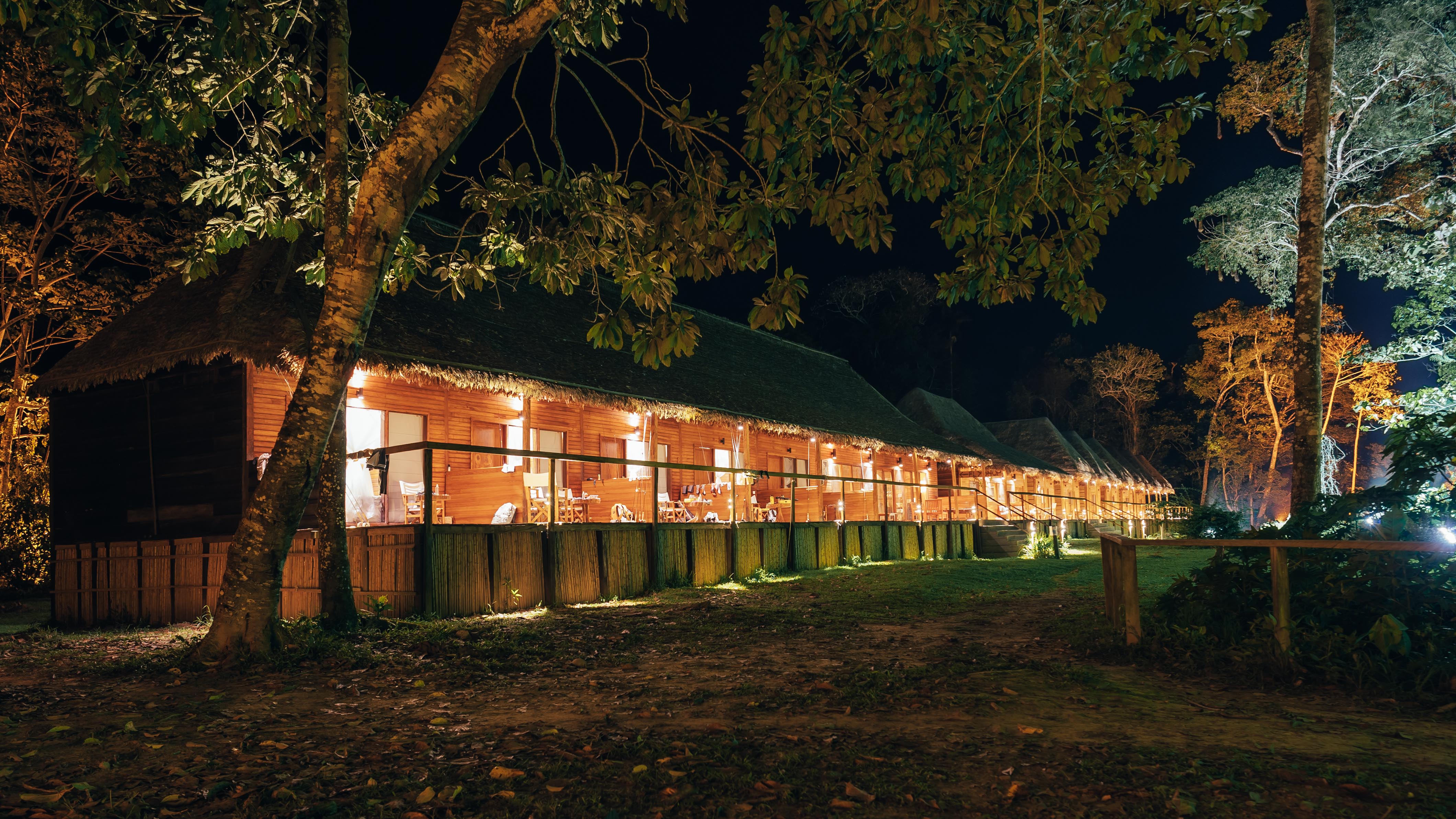
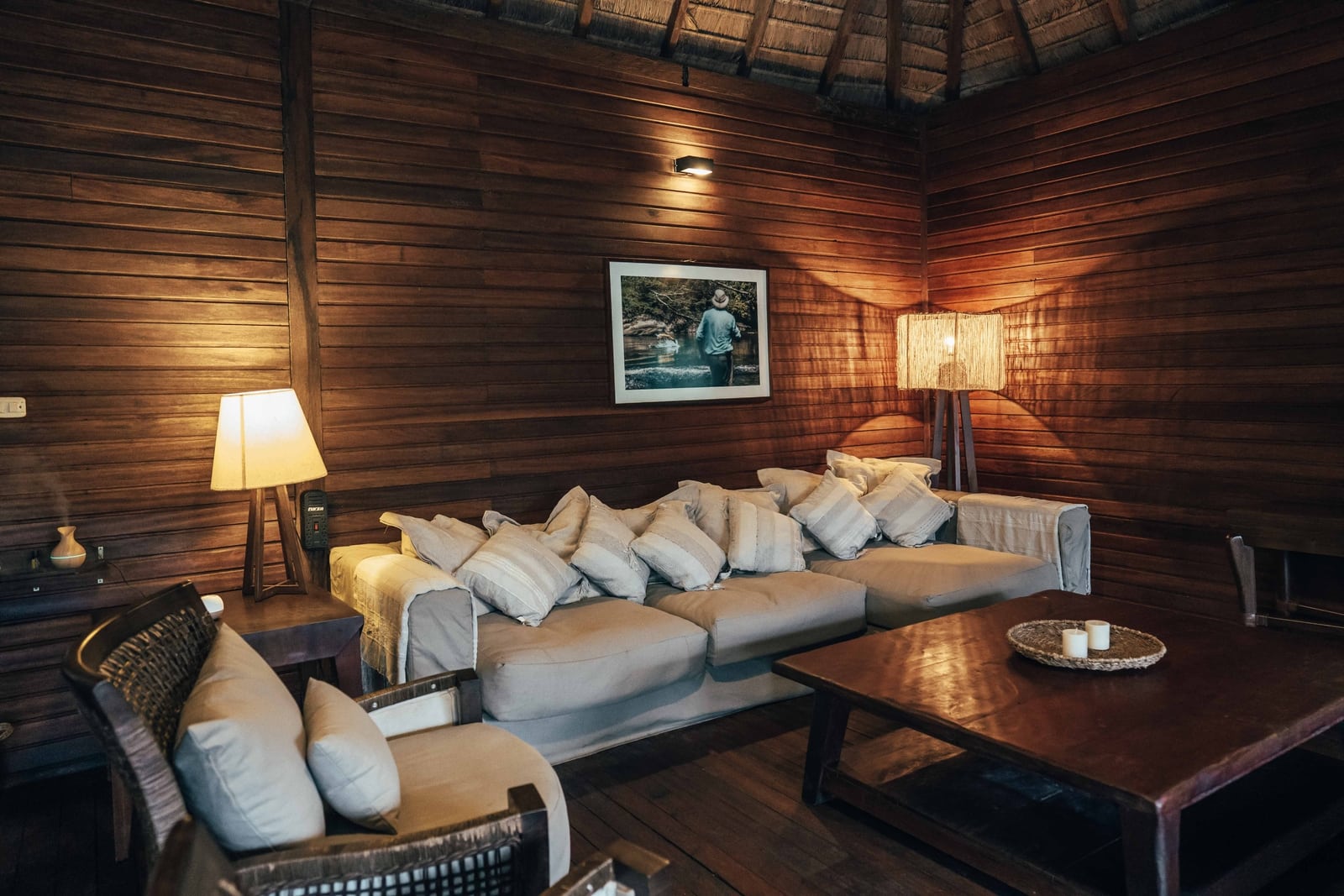
The Pluma is a very comfortable jungle lodge, built entirely from sustainable wood cut from the nearby jungle. The lodge features 12 single cabins and 5 double rooms in total.

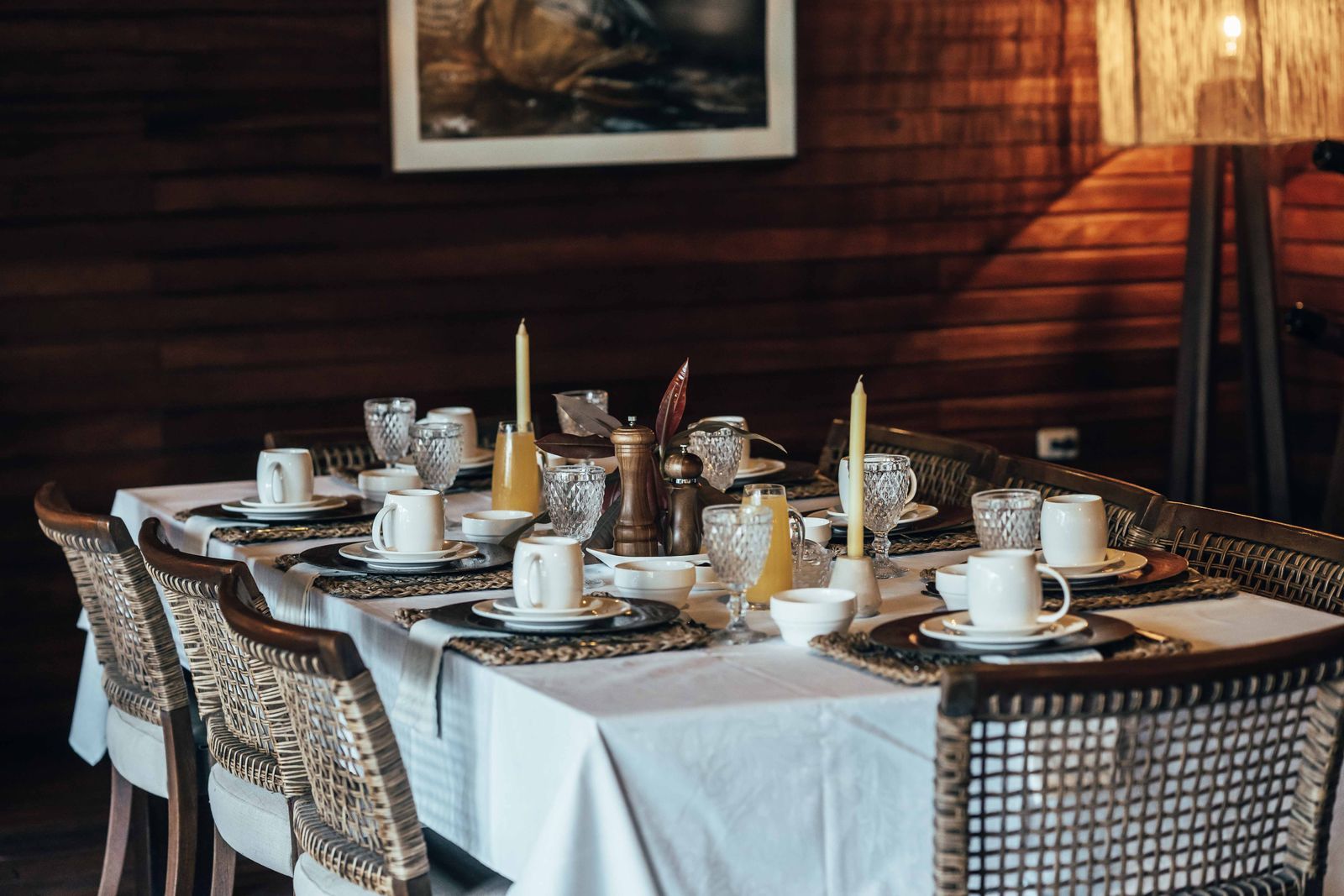
A private dining & living room
Massage room
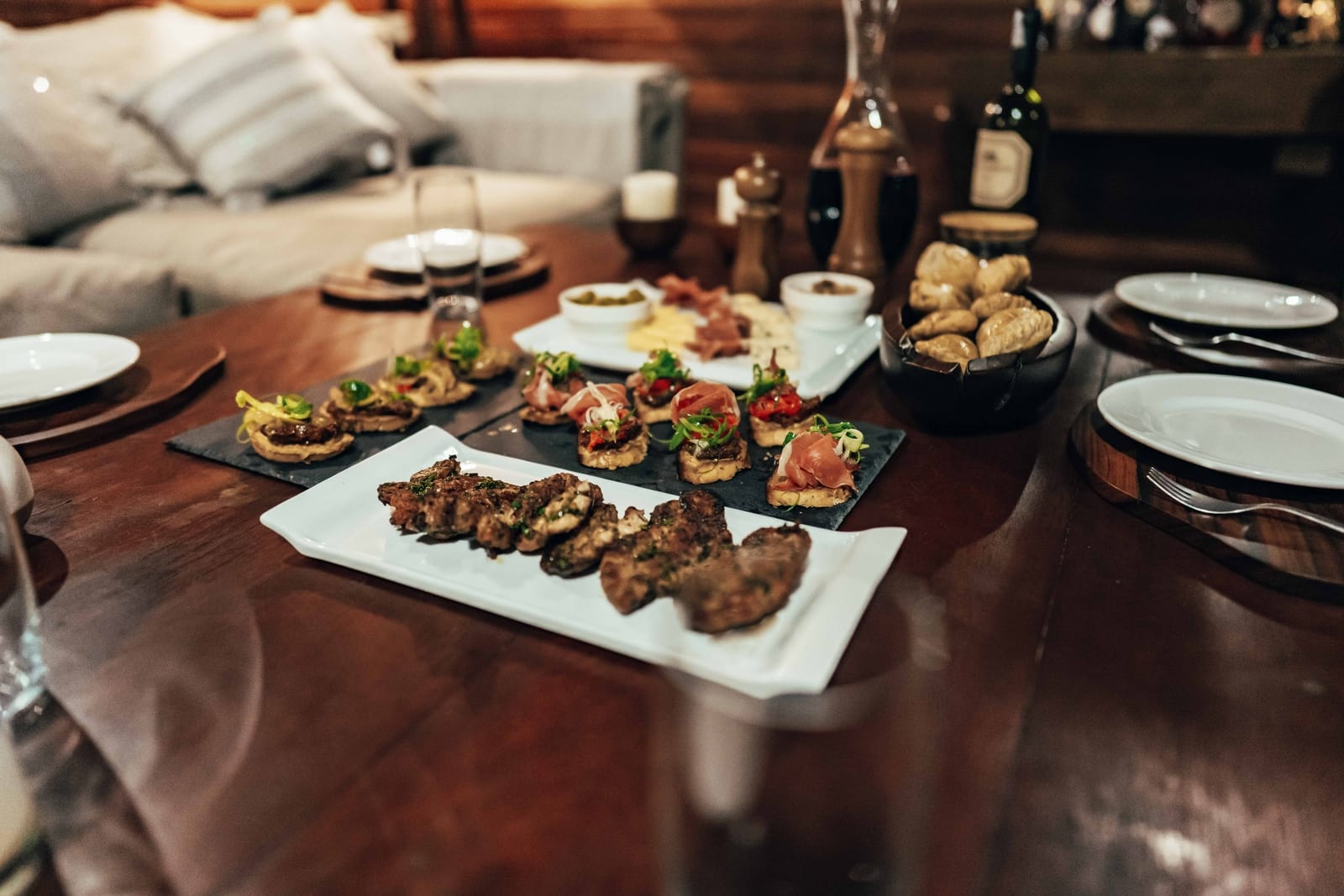
International cuisine paired with great Argentinean / Chilean / Bolivian wines in a well-fashioned living and dining room
All-inclusive bar: liquor, spirits, and special drinks
Free Wi-Fi
Free laundry
Fly shop
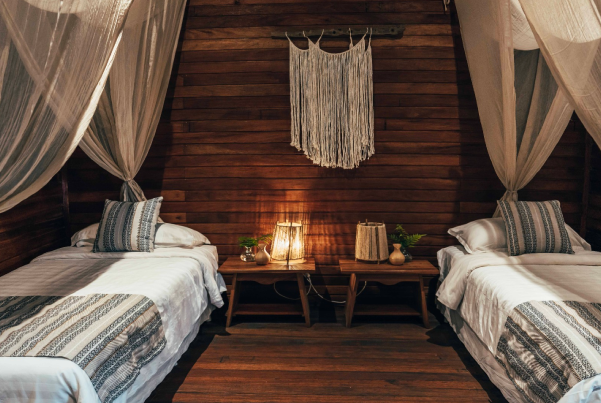
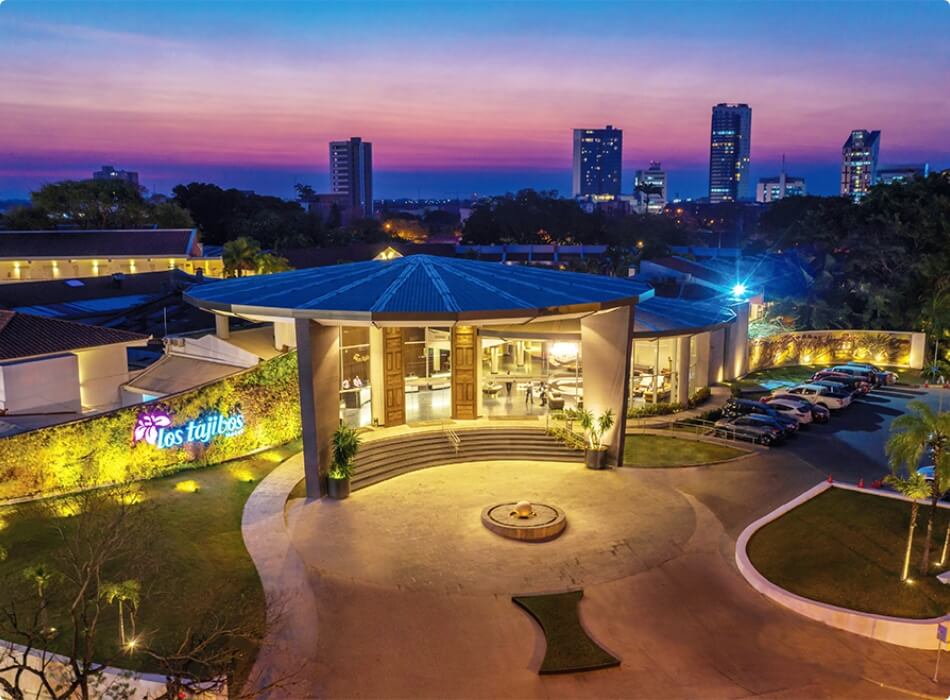
Arrival to Santa Cruz de la Sierra. Our representative will be waiting for you in Viru Viru International Airport. Transfer from airport to a five-star Hotel.
Night at the Hotel in a double room (single room and breakfast included in package) where the guest is to spend the first night. Beverages and meals are not included.
Breakfast at the hotel. Tsimane’s host will pick the group up in the morning (time to be confirmed the night before) to head to the domestic airport. The group will then board the charter flight to the indigenous village airstrip (90-minute flight). It is strongly recommended to be aware of the weight of the luggage, which must not exceed 25 kg.
The lodge manager and our crew will welcome the group upon landing, and transfer everyone to the Lodge by a dugout canoe ride.
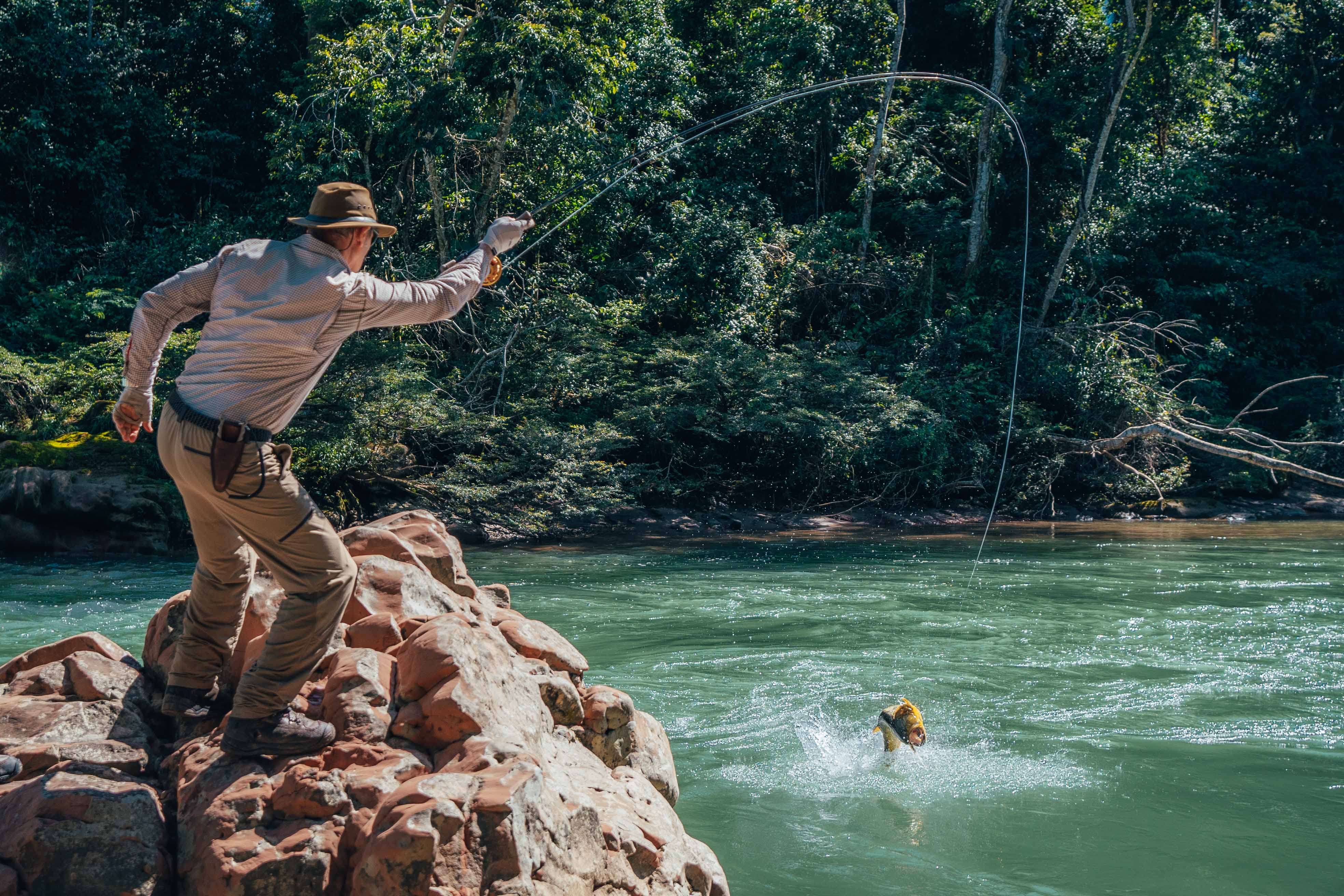
Anglers will pair up to fish the different beats of the area and by the end of the day (5 PM) head back to Lodge. Each pair of anglers will be attended by a pro guide + 2 indigenous guides, transported in dugout canoes, with comfortable seats, and Yeti coolers with meals and beverages.

After breakfast, guests will pack up and be transferred back to the Indigenous village airstrip where they will take the charter flight back to Santa Cruz domestic airport. There you will be met by our Tsimane host who will take you to the 5-star hotel to spend the last night of the trip (single room and breakfast, included in the package).
You will be picked up by our host who will bring you to Viru Viru International Airport for your flight home.
6 days of guided fishing in the waters of Pluma Lodge.
7 nights at Pluma Lodge in a double room
All the meals and drinks at the Pluma Lodge.
2 nights at a 5 star Santa Cruz Hotel in a double room (breakfast included), transfers and round trips in Santa Cruz
Transfers in/out of Viru Viru International Airport in Santa Cruz
International flights to Santa Cruz de la Sierra
Food and drinks in Santa Cruz de la Sierra (except breakfast at the hotel)
Tips and gratuities for the staff
Tours in Santa Cruz de la Sierra
Travel Insurance
Air taxes and other taxes
General Inquiries & Business Consulting
info@tsimanelodge.com
CEO
ceo@uangling.com
www.untamedangling.com